
Loading

STR Labs is a NABL and ISO certified testing laboratory providing reliable geotechnical investigation, material testing, NDT services, surveying, and research solutions for infrastructure and construction projects.


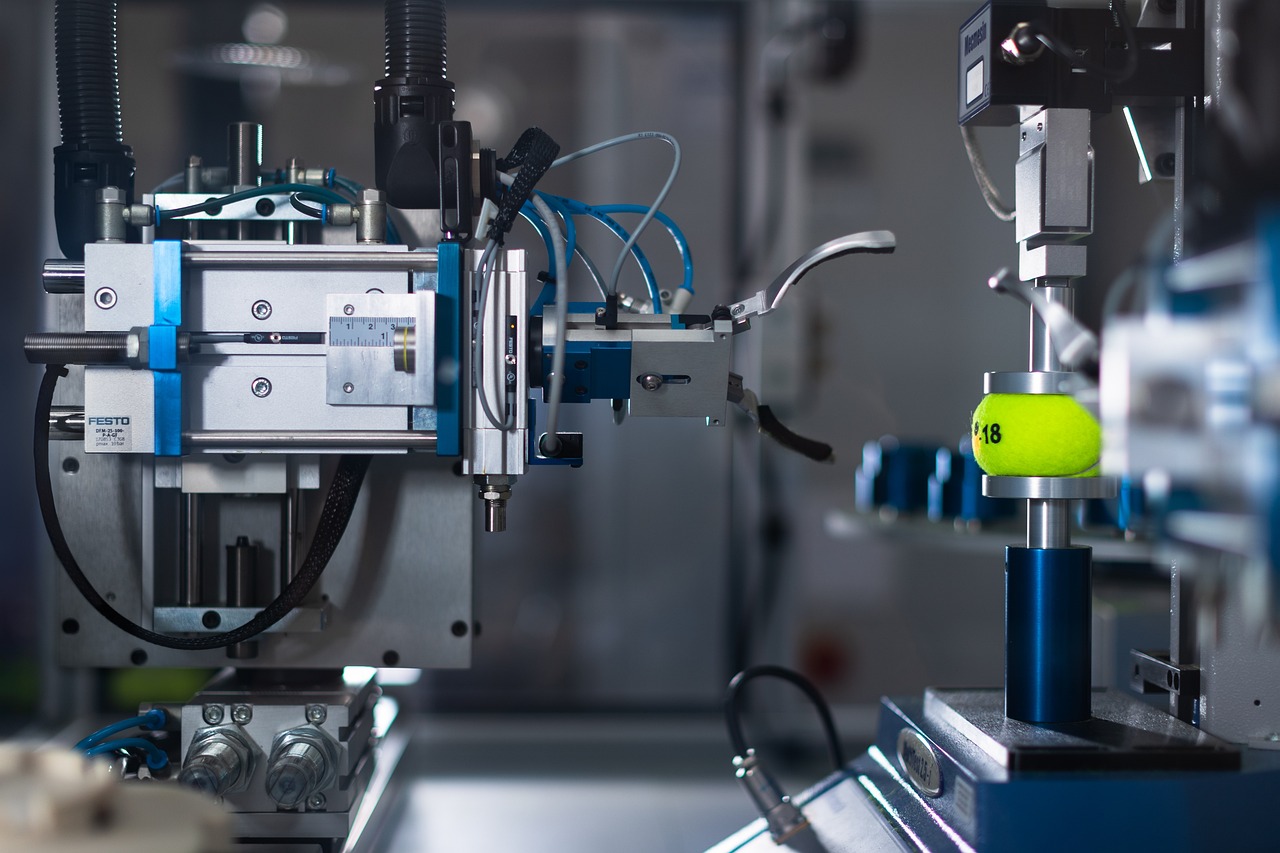
Soil Behaviour
Soil behaviour research encompasses a detailed investigation of the mechanical, physical, and hydraulic characteristics of soil under varying loading and environmental conditions. This study systematically evaluates parameters such as shear strength, compressibility, consolidation, permeability, and stress–strain relationships to understand soil response to both static and dynamic loads. Advanced laboratory testing, including triaxial shear tests, direct shear tests, consolidation tests, and permeability assessments, is conducted to characterize soil behavior across different strata.
Field investigations such as standard penetration tests (SPT), plate load tests, and in-situ density measurements are integrated to correlate laboratory results with real site conditions. The research also examines the influence of moisture variation, pore water pressure, cyclic loading, and soil anisotropy on deformation and settlement behavior. Findings from this research support the development of reliable geotechnical models, improve foundation design methodologies, and contribute to risk mitigation in infrastructure projects by enhancing predictability of long-term soil performance and stability.

Structural Health
Research using non-destructive testing techniques to assess structural integrity, detect defects, and support rehabilitation and safety planning.


Pavement Performance
Evaluation of highway and pavement materials to optimize mix design, durability, and performance for roads, bridges, and transportation infrastructure.
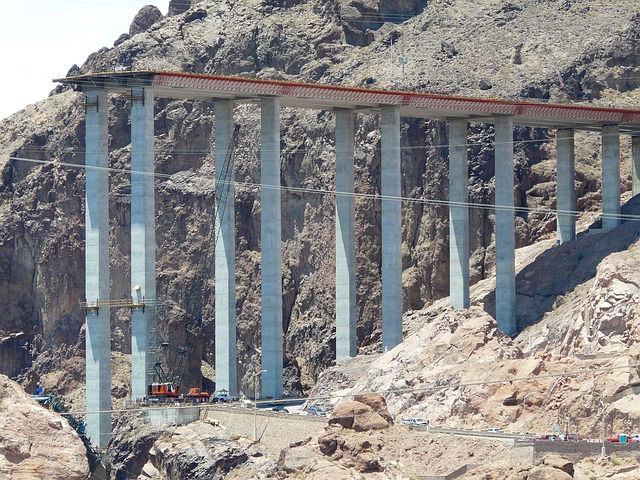
Structural Health
Structural Health research focuses on the systematic assessment and monitoring of structures to evaluate their safety, performance, and remaining service life. This research aims to identify early signs of deterioration, damage, or distress in buildings and infrastructure before they evolve into critical failures. By understanding structural response under operational and environmental conditions, proactive maintenance and rehabilitation strategies can be developed. Advanced non-destructive testing (NDT) techniques form the core of this research, allowing evaluation without causing damage to the structure. Methods such as ultrasonic pulse velocity, rebound hammer testing, half-cell potential measurement, carbonation testing, and ferro scanning are applied to assess material integrity, reinforcement condition, and concrete quality. These techniques provide reliable data on internal defects, corrosion potential, and strength variation.
Structural health research also examines the impact of loading conditions, aging, environmental exposure, and construction practices on long-term structural performance. Factors such as moisture ingress, temperature fluctuation, chemical attack, and cyclic loading are studied to understand their influence on crack formation, reinforcement corrosion, and loss of stiffness over time.Data collected from field inspections and laboratory analysis is used to develop condition assessment models and performance indicators. These models help classify structural health levels, predict future deterioration trends, and support decision-making related to repair, retrofitting, or replacement. Emphasis is placed on correlating observed damage with structural behavior and design parameters. The outcomes of this research contribute to safer infrastructure management, optimized maintenance planning, and enhanced durability of structures. By integrating engineering judgment with scientific assessment, structural health research supports sustainable development, risk mitigation, and compliance with safety standards in civil and industrial construction projects.
Material Durability
Material Durability research focuses on evaluating the long-term performance and resistance of construction materials when exposed to mechanical loads, environmental conditions, and chemical interactions. This research examines how materials such as concrete, aggregates, bitumen, and soil-based products behave over time under stress, temperature variation, moisture ingress, and aggressive environments.
Laboratory-based experimental studies and standardized testing procedures are used to assess degradation mechanisms, strength loss, fatigue behavior, and service life expectancy. The outcomes of this research contribute to improved material selection, optimized mix designs, and enhanced durability of infrastructure and industrial structures.
-
 Service Life Prediction
-
Durability Optimization
-
Material Performance
-
Fatigue Behaviour
-
Environmental Resistance
-
Strength Degradation